





7 Signs Your Tulsa Home Is Ready for a Whole-Home Renovation
A whole-home renovation can help you improve outdated layouts, modernize tired spaces, add function, and make your home feel better suited for the way your family lives today.
If your home no longer fits your lifestyle, it may be time to think beyond one small update. Many Tulsa homeowners start by considering a kitchen remodel, bathroom update, flooring replacement, or fresh paint. But once they look at the bigger picture, they realize the real issue is how the entire home works together. For homeowners planning a full transformation, Story Remodeling offers remodeling services throughout Tulsa, Broken Arrow, Jenks, Bixby, Owasso, Glenpool, Collinsville, and surrounding Oklahoma communities.
A whole-home renovation gives you the opportunity to look at the entire property instead of fixing one room at a time. It can include kitchen remodeling, bathroom remodeling, flooring, painting, lighting, layout changes, room additions, home additions, interior updates, exterior improvements, and design-build planning.
What Type of Whole-Home Renovation Do You Need?
Not every home needs the same level of renovation. Some homes need mostly cosmetic updates, while others need major layout changes, additions, or full interior remodeling. Before starting, it helps to understand which level of renovation fits your goals.
Cosmetic Whole-Home Refresh
Best for homes with a solid layout but outdated finishes. This may include paint, flooring, lighting, trim, hardware, fixtures, and surface-level updates throughout the home.
Major Interior Renovation
A more complete update that may include kitchen remodeling, bathroom remodeling, new flooring, cabinetry, updated lighting, improved storage, and a more consistent design style.
Full Home Transformation
A larger renovation involving layout changes, wall removal, custom additions, room additions, exterior updates, design-build planning, and major improvements across the home.
Whole-Home Renovation Warning Signs
If several areas of your home are outdated, cramped, damaged, or no longer functional, it may be time to look at the house as a whole instead of remodeling one room at a time.
| Warning Sign | What It Usually Means | Possible Renovation Solution |
|---|---|---|
| Poor Layout | The home no longer supports your daily routine or family lifestyle. | Open-concept changes, better traffic flow, room reconfiguration, or layout redesign. |
| Outdated Kitchen and Bathrooms | Multiple high-use rooms need attention at the same time. | Kitchen remodeling, bathroom remodeling, updated finishes, fixtures, tile, cabinetry, and lighting. |
| Not Enough Space | Your family has outgrown the current floor plan. | Room additions, home additions, expanded kitchens, larger living areas, or home office space. |
| Patchwork Updates | Past updates do not match or flow together. | A cohesive design plan with consistent flooring, colors, trim, lighting, and finishes. |
| Aging Materials or Damage | The home may have deeper problems beyond appearance. | Repairs, replacement materials, drywall work, flooring updates, and insurance-related renovation planning when needed. |
1. Your Home Layout No Longer Works for Your Family
One of the biggest signs your home needs more than a simple cosmetic update is when the layout no longer supports your daily routine.
Maybe the kitchen feels closed off from the living room. Maybe the bedrooms are too cramped. Maybe the main living area feels chopped up, dark, or disconnected. Or maybe your family has grown, your lifestyle has changed, and the home simply does not flow the way it should anymore.
A poor layout can make everyday tasks feel harder than they need to be. Cooking, entertaining, relaxing, working from home, or getting everyone ready in the morning can become frustrating when the home was designed for a different era or a different lifestyle.
Common layout problems homeowners notice:
- The kitchen feels separated from the rest of the home.
- The living room feels too small or awkward.
- There is not enough storage where you actually need it.
- The home feels dark, closed off, or outdated.
- Bedrooms, bathrooms, or common areas no longer fit your needs.
- The home has wasted space that could be used better.
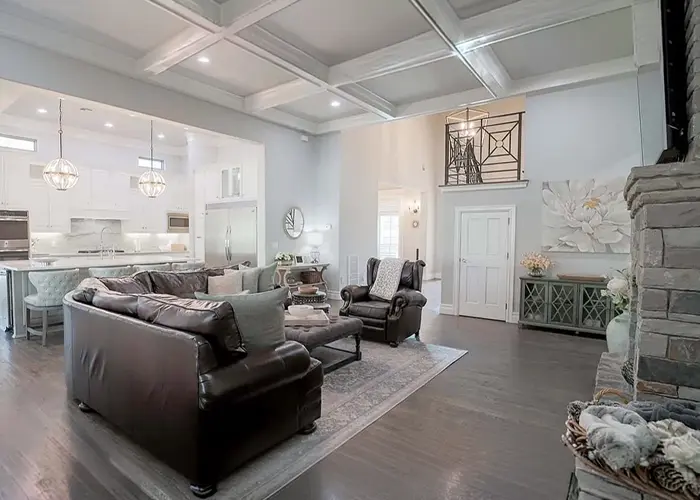
A whole-home renovation gives you the opportunity to rethink how your rooms connect. Instead of fixing one problem at a time, you can create a more intentional layout that improves traffic flow, sightlines, storage, natural light, and overall comfort.
2. Your Kitchen and Bathrooms Both Feel Outdated
Kitchen and bathroom remodeling are two of the most common renovation projects homeowners start with. But if both areas are outdated, worn down, or no longer functional, it may make more sense to look at the home as a whole.
An outdated kitchen can affect how your family cooks, gathers, and entertains. Old cabinets, limited countertop space, poor lighting, worn flooring, and inefficient layouts can make the heart of the home feel frustrating instead of inviting.
Bathrooms can create similar problems. Small showers, dated vanities, old tile, poor ventilation, water damage, and lack of storage can make your home feel older than it really is.
A whole-home renovation can help update:
- Kitchen cabinets and countertops.
- Kitchen layouts and islands.
- Bathroom vanities and storage.
- Walk-in showers and bathtub areas.
- Tile, flooring, and lighting.
- Plumbing fixtures and finishes.
- Paint colors, trim, and interior details.
When both the kitchen and bathrooms need attention, a whole-home renovation can help create a more consistent style throughout the house.
3. You Need More Space but Do Not Want to Move
Many Tulsa-area homeowners love their neighborhood, school district, lot size, mature trees, or location — but they do not love the way their home currently fits their family.
If you need more space but do not want to move, remodeling may be a better solution than starting over somewhere else.
A whole-home renovation can include reworking existing square footage, finishing underused areas, opening up cramped rooms, or planning a room addition. For some homeowners, the answer may be a larger kitchen, an expanded living room, a home office, an extra bedroom, a larger primary suite, or a more functional laundry and mudroom area.
You may need more space if:
- Your family has grown.
- You work from home and need a dedicated office.
- Your kitchen feels too small for gatherings.
- You need more storage throughout the home.
- Your living room no longer fits your furniture or lifestyle.
- You want a larger primary suite or guest space.
4. Your Home Feels Like a Patchwork of Past Updates
Over time, many homes collect small updates that do not always work together. One room gets new flooring. Another room gets painted. A bathroom gets updated years later. The kitchen gets new counters but old cabinets remain. Eventually, the home can start to feel like a patchwork of different styles, finishes, and eras.
This is especially common in older Tulsa and Broken Arrow homes that have been updated a little at a time.
While individual upgrades can help in the short term, they do not always create a cohesive home. A whole-home renovation gives you the chance to step back and create one clear design plan for the entire space.
Signs your home lacks design consistency:
- Different flooring types clash from room to room.
- Paint colors feel disconnected.
- Cabinets, counters, and fixtures do not match the rest of the home.
- Some rooms feel modern while others feel dated.
- Previous updates look like temporary fixes.
- The home does not have one clear style direction.
5. You Are Dealing With Aging Materials or Hidden Damage
Sometimes the need for renovation goes deeper than appearance. Aging materials, water damage, old flooring, damaged drywall, worn cabinets, outdated electrical, plumbing concerns, and storm-related repairs can all point to bigger issues inside the home.
If several areas of the home are showing signs of wear, patching one problem at a time may not be the most effective long-term solution.
A whole-home renovation allows your contractor to look at the home more completely. This can be especially helpful if you are already planning major repairs, insurance-related work, or updates after storm or water damage.
Warning signs to watch for:
- Water stains on ceilings or walls.
- Soft or damaged flooring.
- Cracked tile or deteriorating grout.
- Old cabinets that no longer function properly.
- Drafty areas or poor insulation.
- Outdated lighting or electrical layouts.
- Repeated repairs in multiple rooms.
6. Your Home Does Not Match Your Style Anymore
Your home should feel like you. If it still reflects the choices of a previous owner, an outdated trend, or a version of your life that no longer fits, it may be time for a major refresh.
Style changes are not just about looks. The way your home feels can affect how much you enjoy living there. A dark, dated, or cluttered space can make the home feel heavier than it should. A brighter, cleaner, more functional renovation can make the same house feel completely new.
Design updates that can make a major difference:
- Fresh interior paint colors.
- Updated flooring throughout the home.
- Modern kitchen and bathroom finishes.
- Improved lighting plans.
- New trim, doors, and hardware.
- Open-concept living improvements.
- Updated exterior curb appeal.
7. You Are Planning to Stay in Your Home Long-Term
If you plan to stay in your home for many years, comfort and function matter. A whole-home renovation is not only about improving your home for today. It is about making it work better for the future.
Long-term homeowners often benefit from remodeling because they can make choices based on how they actually live. That may include creating a more open kitchen, adding a walk-in shower, improving storage, widening certain pathways, updating flooring, adding better lighting, or creating spaces that are easier to maintain.
Long-term renovation goals may include:
- Improving everyday comfort.
- Making the home easier to maintain.
- Creating safer and more accessible bathrooms.
- Adding better lighting throughout the home.
- Improving storage and organization.
- Updating outdated materials before they become bigger problems.
- Creating a home that supports aging in place.
Whole-Home Renovation vs. Room-by-Room Remodeling
Some homeowners prefer to remodel one room at a time, and that can work well for certain projects. But when several rooms need attention, a whole-home renovation may offer a better path.
Renovating the home as a whole can help with planning, design consistency, material selection, scheduling, and overall project flow. It also allows your contractor to understand how each part of the home affects the next.
| Remodeling Approach | Best For | What to Consider |
|---|---|---|
| Room-by-Room Remodel | Homeowners with a smaller budget or one main problem area. | Works well when the rest of the home is still functional and updated. |
| Whole-Home Renovation | Homes with multiple outdated rooms, layout issues, or inconsistent design. | Allows the design, materials, layout, and schedule to be planned together. |
| Phased Whole-Home Plan | Homeowners who want a full vision but need to complete work in stages. | A clear master plan helps every phase work toward the same finished result. |
What Should Be Included in a Whole-Home Renovation Plan?
Before starting a whole-home renovation in Tulsa, it is important to think through your goals, budget, priorities, and must-have features.
A good renovation plan should look at both the big picture and the small details. That includes how your family uses the home, which rooms need the most attention, what style you want, what problems need to be fixed, and how the finished home should feel.
Your renovation plan may include:
- Kitchen remodeling.
- Bathroom remodeling.
- Flooring replacement.
- Interior painting.
- Exterior updates.
- Room additions.
- Home additions.
- Open-concept layout changes.
- Custom cabinetry or storage improvements.
- Lighting upgrades.
- Drywall, trim, and finish work.
- Repairs related to storm or unexpected damage.
Why Tulsa Homeowners Choose Story Remodeling
Story Remodeling helps homeowners create spaces that are more beautiful, functional, and built around real life. Whether you are updating one room or planning a full home transformation, our team can help guide the process from the first conversation to the final walkthrough.
We work with homeowners throughout Tulsa, Broken Arrow, Jenks, Bixby, Owasso, Glenpool, Collinsville, and surrounding Oklahoma communities.
Our remodeling services include kitchen remodeling, bathroom remodeling, whole-home renovation, custom home additions, room additions, interior renovation, exterior renovation, design-build projects, and insurance claim assistance.
Frequently Asked Questions About Whole-Home Renovation in Tulsa
How do I know if I need a whole-home renovation instead of a single-room remodel?
If only one space is outdated or no longer functional, a single-room remodel may be enough. But if your kitchen, bathrooms, flooring, layout, lighting, and overall design all need attention, a whole-home renovation may be the smarter option.
Can I stay in my home during a whole-home renovation?
It depends on the scope of work. Some homeowners can stay in the home during certain phases, while larger renovations may require temporary adjustments. A clear project plan can help you understand what to expect before work begins.
What rooms are usually included in a whole-home renovation?
A whole-home renovation may include kitchens, bathrooms, living areas, bedrooms, laundry rooms, flooring, paint, trim, lighting, layout changes, exterior updates, and additions. Every project is different based on the homeowner’s goals.
Is a whole-home renovation worth it?
For many homeowners, yes. If you love your location but your home no longer fits your lifestyle, a renovation can improve comfort, function, appearance, and long-term enjoyment without the stress of moving.
Does Story Remodeling work outside Tulsa?
Yes. Story Remodeling serves homeowners throughout the Tulsa Metro area, including Tulsa, Broken Arrow, Jenks, Bixby, Owasso, Glenpool, Collinsville, and nearby communities.
What should I decide before starting a whole-home renovation?
Before starting, think about your top priorities, budget range, preferred style, must-have spaces, layout concerns, and whether you want to complete the project all at once or in phases.
Ready to Start Your Whole-Home Renovation?
If your home no longer fits your lifestyle, Story Remodeling can help you explore the possibilities. From kitchen and bathroom remodeling to full home transformations and additions, we can help you create a space that feels more functional, more beautiful, and more like home.
Story Remodeling proudly serves Tulsa, Broken Arrow, Jenks, Bixby, Owasso, Glenpool, Collinsville, and surrounding Oklahoma areas.